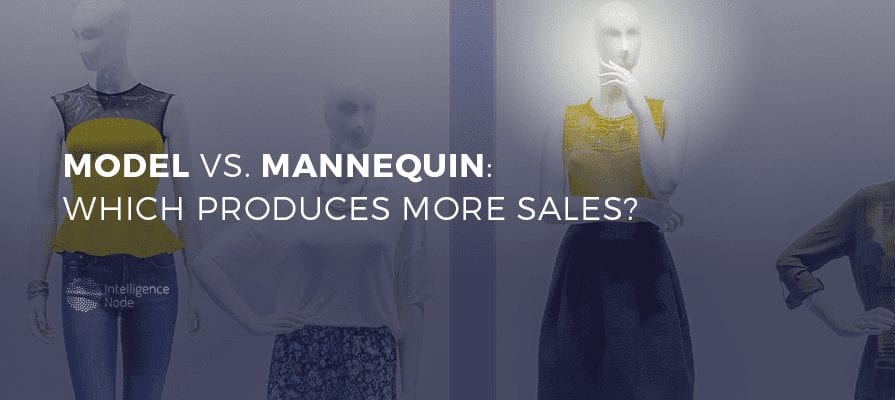
A model can make even a lackluster piece of clothing look gorgeous by highlighting its silhouette, showing how the garment fits with other pieces, and encouraging an aspirational approach to buying. Of course, almost no one can afford the best models, and few small business owners can afford professionals. This leaves most businesses to choose between mannequins (or other displays, such as fancy hangers) and amateur or part-time models.
So which is better? That depends on your target market, the product you’re selling, and the brand identity you’re trying to cultivate. The following questions can help you assess which approach is better for your brand.
If you’re torn between a model and a mannequin or hanger, consider whether you have time to experiment. One of the simplest ways to assess the relative value of each is to hire a model for a few pieces of clothing, then use a mannequin for the rest. You’ll save money by not putting your entire collection on the body of a model, and you’ll be able to clearly assess whether the value of a model is worth it.
Alternatively, consider using photos of both a model and mannequin on the same piece of clothing — especially if it’s a popular piece that already garners a lot of sales. Then alternate images on a daily or weekly basis to determine which gets the most views, and which gets the most sales. You may find that people click on clothing worn by a model more frequently, but clicks don’t matter if they don’t translate into sales, so don’t obsess over click-based analytics!
Every good clothing brand tells a story with its products, and encourages the buyer to expand on that story. Whether it’s the tailored clothing business that encourages women to consider where their products might next take career women, or the whimsical boho company that uses clothing as an outlet for creativity — your story matters.
The way you display your products affects how that story is told.
If you’re gunning for a professional, polished image, models are a must-have, even if you only use them for a few of your best pieces. If artsy, indie, or boho are more your style, you may be able to get away with draping clothing over a mannequin surrounded by bird cages, books, stationery, and other eye-catching symbols of hipster creativity.
A model does more than just show what your clothing looks like on a real human body. Models also encourage your customers to aspire to a particular image. This is an excellent branding strategy, but it can also backfire.
If your customers are too aspirational, they may believe that clothing will look better on them than it will. Unreasonable expectations kill sales over the long-term. For this reason, you should not use models who look significantly different from your ideal customer. For example, if you cater to senior women, using young women to show the clothing misrepresents your brand, and can result in customer backlash and returns.
If you opt to hire an amateur model, you’ll need to ensure doing so doesn’t harm your brand. Clothing that fits poorly, a model who slouches or adopts an awkward post, unprofessional lighting, and the wrong image can all reduce sales. To get the most out of your model:
A model isn’t always the right choice. Sometimes a mannequin is actually better at showing off a piece’s features. Up-close shots of gorgeous fabrics and patterns are eye-catching, piquing a customer’s interest. Likewise, a piece shot alongside matching accessories can encourage customers to get creative — and buy more.
To get the most out of your shoot, use the right mannequin. You may need to buy several. Some helpful tips:
If you decide, as most businesses do, that a professional model will ultimately do a better job selling your product, the next question is whether you can afford one. Sure, you might be able to come up with the cash, but a professional model is really only worth it if the increase in sales offsets the expense of the model. A 1-5% increase won’t do you much good if the model eats up 10% of your budget.
If you’re unsure how much value a model adds, try the model versus mannequin experiment referenced above. Then make your decision based on that data, rather than relying on gut instincts or the promises of a marketing firm.
Constant shifts in consumer behavior are translating into outsized business impact: from missed conversions and slower inventory turns to weaker margins. Shopping is no longer simple or linear; consumers move between…
According to McKinsey, retailers that lead in digital product execution grow 2x faster than their peers. In today’s hypercompetitive market,…
The 2025 holiday season is around the corner. And it comes at a time where economic uncertainty looms over our…
Optimizing the digital shelf means making sure your products show up where shoppers search and buy, especially when you’re leveraging…
We may still be weeks away from the holiday rush, but smart retailers know now is the time to start…
Intelligence Node is proud to be the Official Awards Sponsor for the Women Leaders Summit & Awards India 2025, taking…
This website uses cookies.

