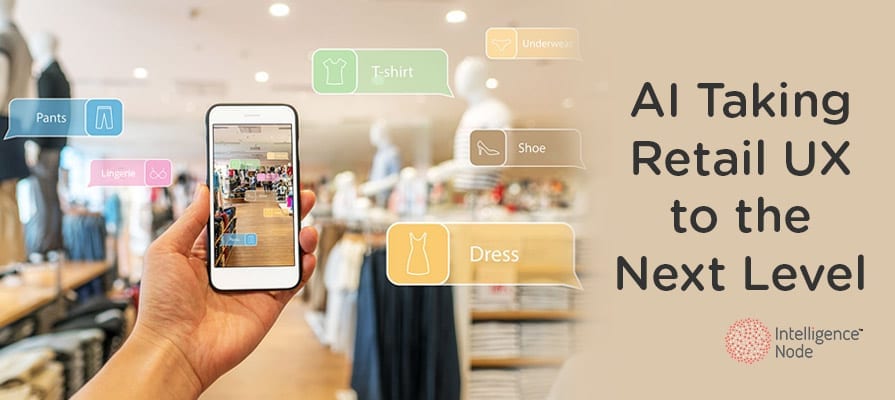
Geeky has never been so glamorous.
To help shoppers find fashions that fit their bodies, budgets and styles, more retailers are turning to artificial intelligence (AI). As one of today’s hottest technology trends, AI translates vast volumes of retail big data into rich, actionable insights, so executives can make smart decisions faster.
AI has evolved into a strategic asset in retail, as the sector faces overwhelming upheaval. Amid the blistering pace of innovation, and empowered consumers who expect omnichannel excellence, affordable fashions and personalized marketing, AI guides retailers by delivering fact-based intelligence to delight shoppers.
Today’s retailers and brands are drowning in data and struggling to make sense of the abundance of information on their own. AI solves this problem by offering “a cheaper, faster way of doing many tasks that companies currently employ humans to do,” like simplifying complex data analytics.
Companies also embrace AI to improve agility, top-line performance and customer service – all while lowering costs. For instance, retailers gain greater accuracy in predicting a consumer’s style at the exact moment an individual is shopping, leading to more sales, fewer returns and improved stocking ability.
These business benefits explain why 45% of retailers expect to use AI within 3 years.
AI can also help consumers, who simply want “to buy stuff as quickly and easily as possible.”
Fashion retailers and brands can make the customer experience pleasant by applying AI to gain data insights down to the individual shopper level, which makes the experience more consumer-centric, relevant and personalized than ever before.
Whether a shopper’s look is casual chic, vintage inspired or haute couture, AI allows lets them perform easy product searches, so consumers discover fashions they will actually buy, saving them time and effort.
For instance, AI can help individual shoppers find the perfect pair of jeans by tracking their sales history, online browsing and Instagram likes for a seamless shopping experience.
Here are 7 ways AI innovations make life easier for fashion companies and fashionistas alike.
(let’s think how to replace In competitor ™ with Hook analytics giving retailers real-time intelligence on the consumer’s voice and preferences).
AI-driven tools like Hook analytics helps retailers gain a deep understanding of each shopper as a unique individual. They help retail companies understand a shopper’s size, and preferred styles, colors and price points. AI takes this combination of data and translates it into real-time intelligence that reflect product recommendations at prices that make the shopper more likely to add them to their cart. This deep consumer knowledge matched with relevant products and pricing help the shopper feel understood – and more willing to buy.
To avoid getting left behind during this period of digital transformation, fashion companies should be injecting artificial intelligence into their business strategy. AI simplifies retail big data, which helps companies improve their processes and bottom line – while keeping shoppers happy, loyal and chic.
We’ll be up looking at the data while you’re chasing bigger targets. Optimize your fashion business and always stay ready for the New Age Shoppers. Get a free assessment.
Constant shifts in consumer behavior are translating into outsized business impact: from missed conversions and slower inventory turns to weaker margins. Shopping is no longer simple or linear; consumers move between…
According to McKinsey, retailers that lead in digital product execution grow 2x faster than their peers. In today’s hypercompetitive market,…
The 2025 holiday season is around the corner. And it comes at a time where economic uncertainty looms over our…
Optimizing the digital shelf means making sure your products show up where shoppers search and buy, especially when you’re leveraging…
We may still be weeks away from the holiday rush, but smart retailers know now is the time to start…
Intelligence Node is proud to be the Official Awards Sponsor for the Women Leaders Summit & Awards India 2025, taking…
This website uses cookies.

